HongKong Ainuosi Technology Co., Limited
Quality Living, Delivered to the West.
From kitchenware and storage to home textiles, we work with overseas buyers to bring a range of materials and designs to Europe and the Americas.
Export business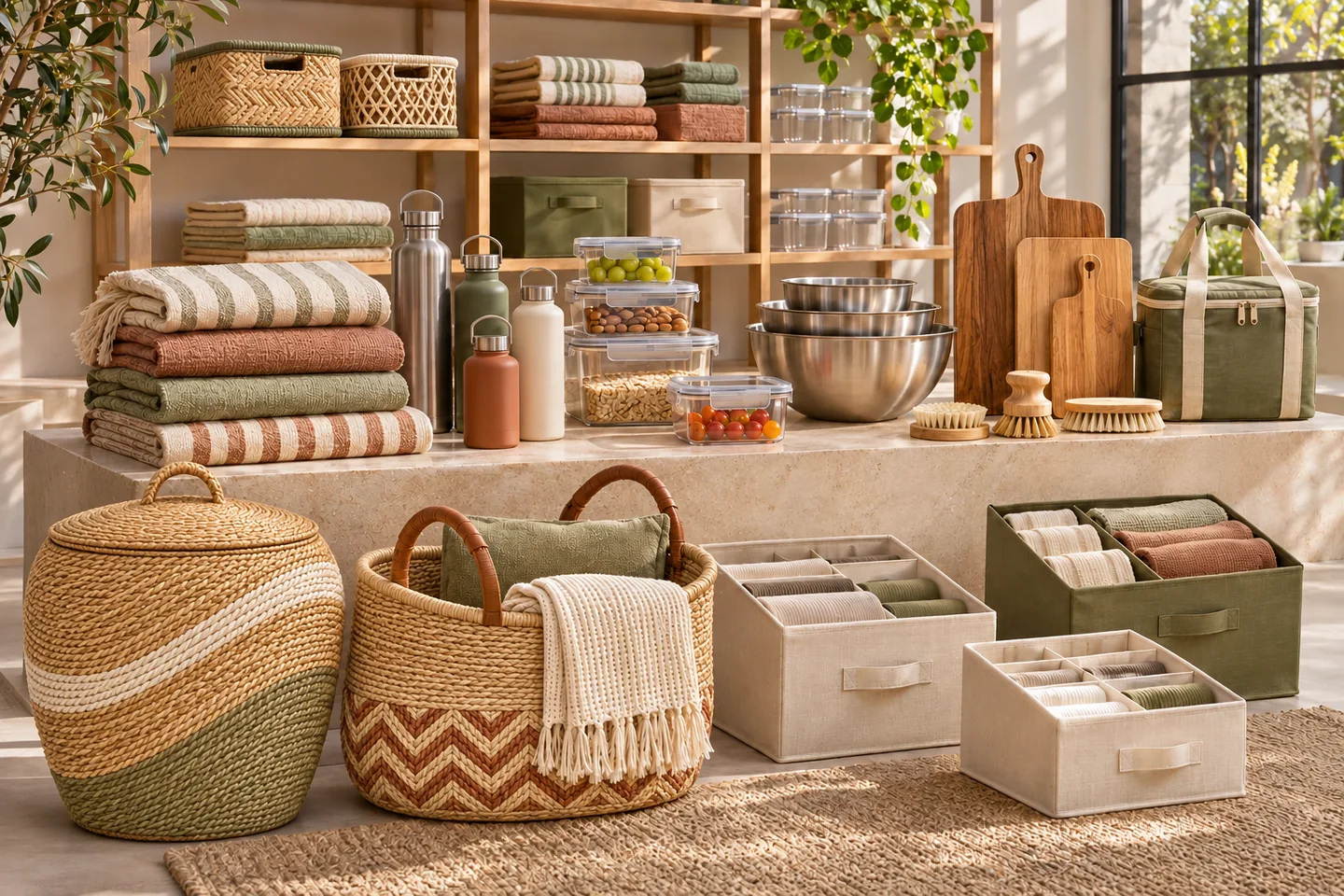

- Founded
- 2019
- Export focus
- Household goods
- Main markets
- Europe & the Americas
About us
From China, For Homes Worldwide.
Founded in 2019, HongKong Ainuosi Technology Co., Limited specialises in household goods exports, primarily to European and American markets. We value product quality and responsive service, bringing practical, well-made goods to households worldwide.
Over the years we have built an established supply chain and international customer network. With our roots in China, we continue to grow in overseas markets through honest trade and a commitment to innovation.
Export business
Bridging East & West, Curating Life.
We work with overseas buyers to compare designs, identify everyday uses and agree on packaging for each range.
Kitchen & table
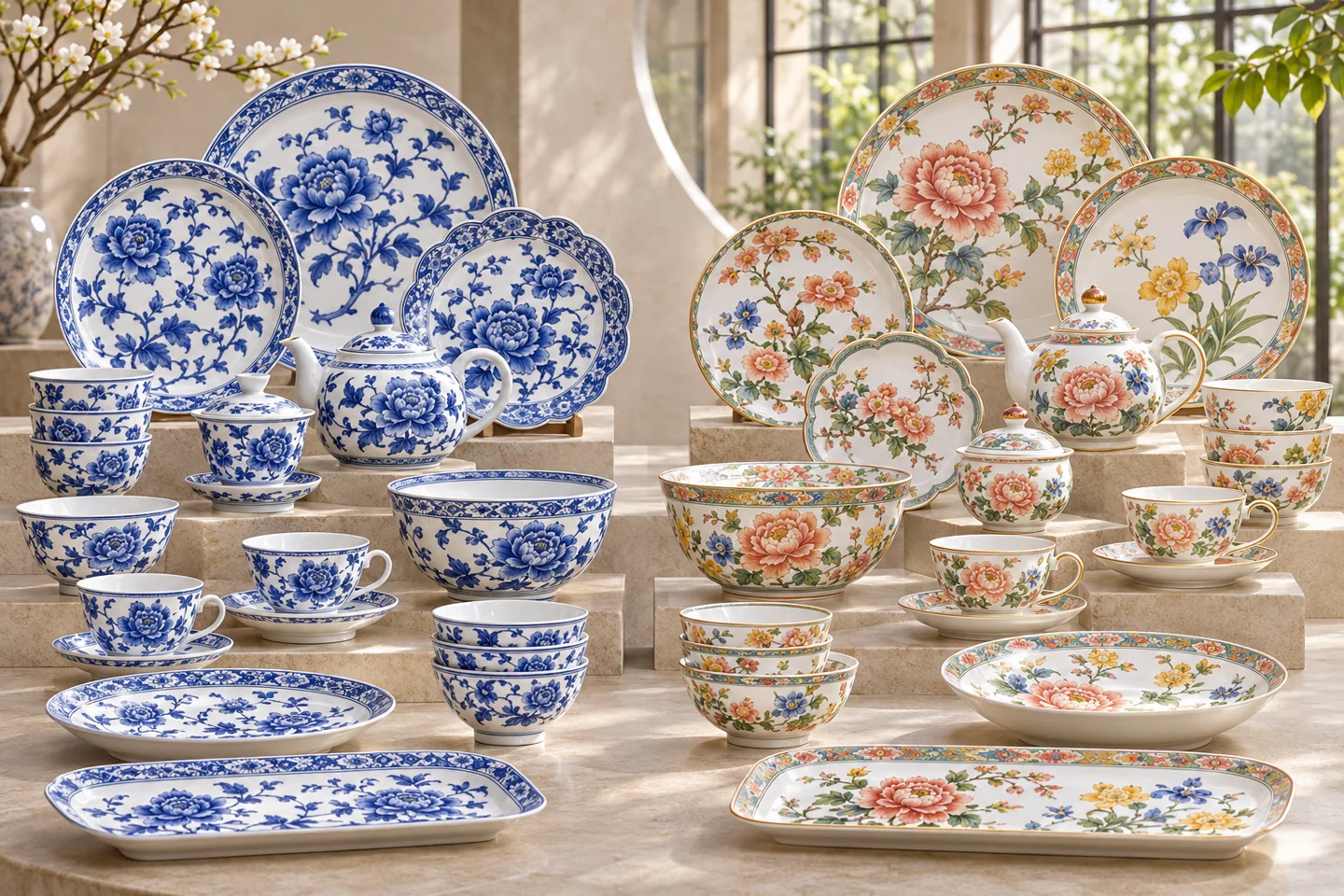
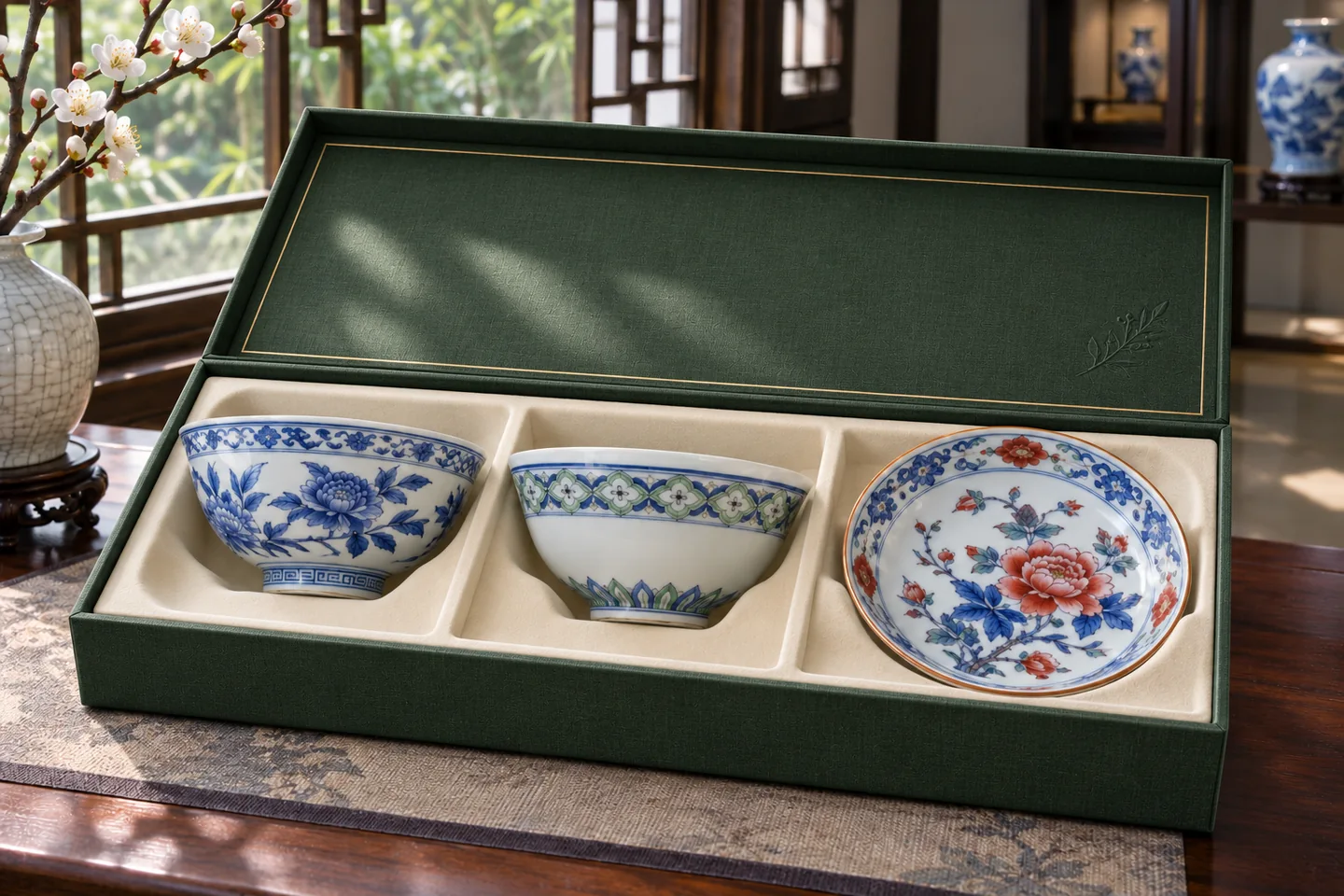
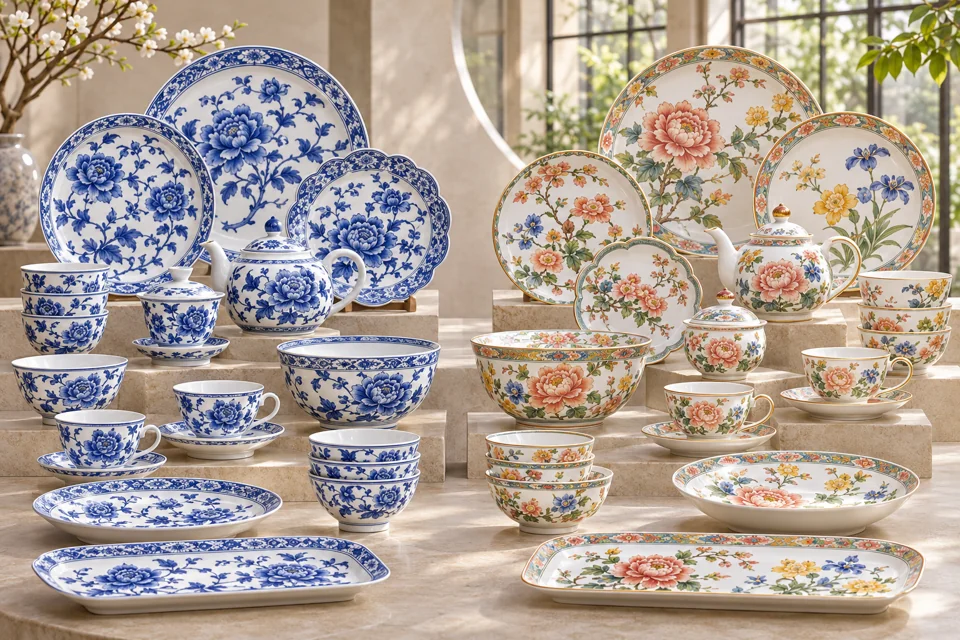
From food preparation to serving, we consider how items will be used, cleaned and stored. Build porcelain collections around blue-and-white, painted or carved designs, then compare the glaze and rim finish.
Home storage
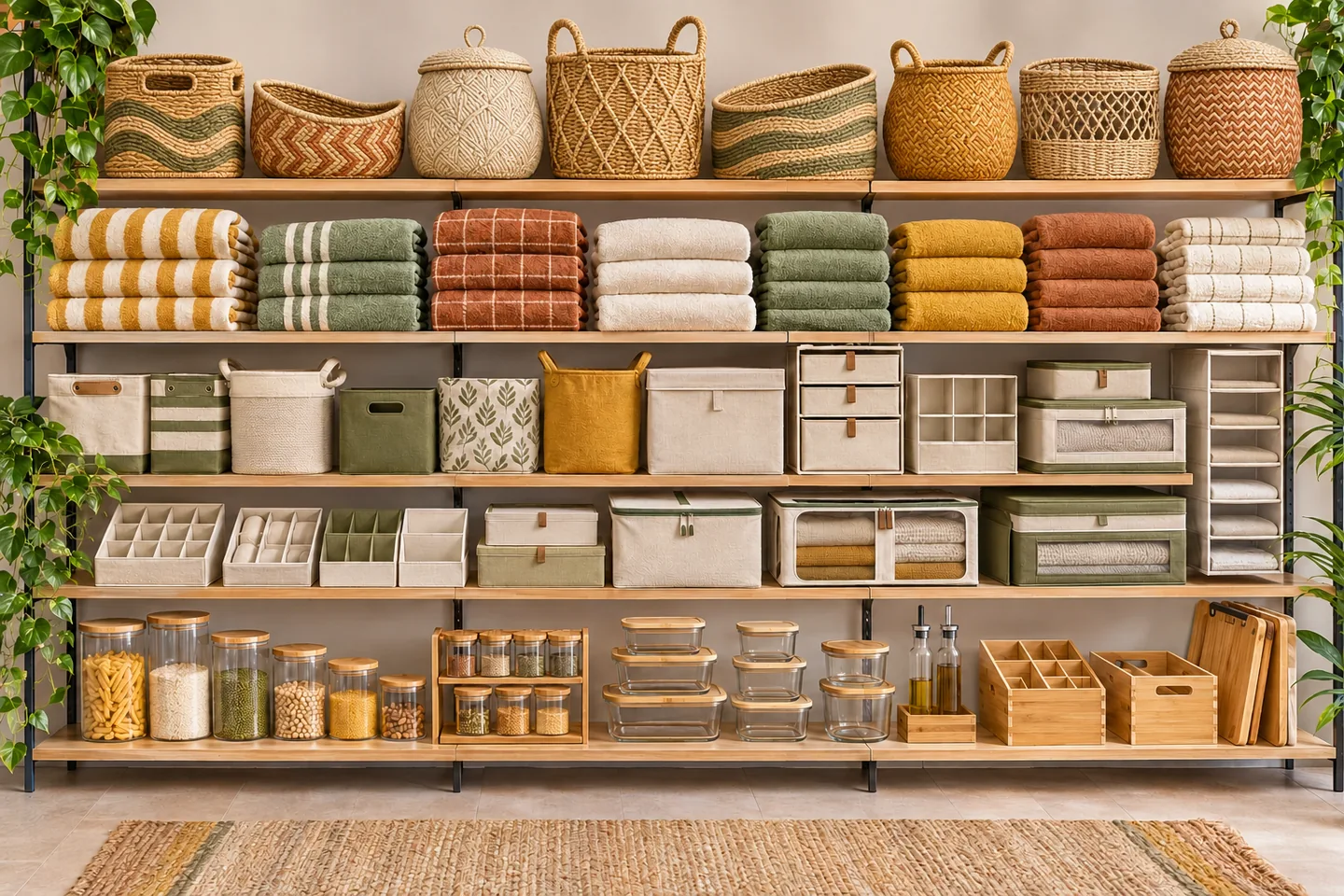
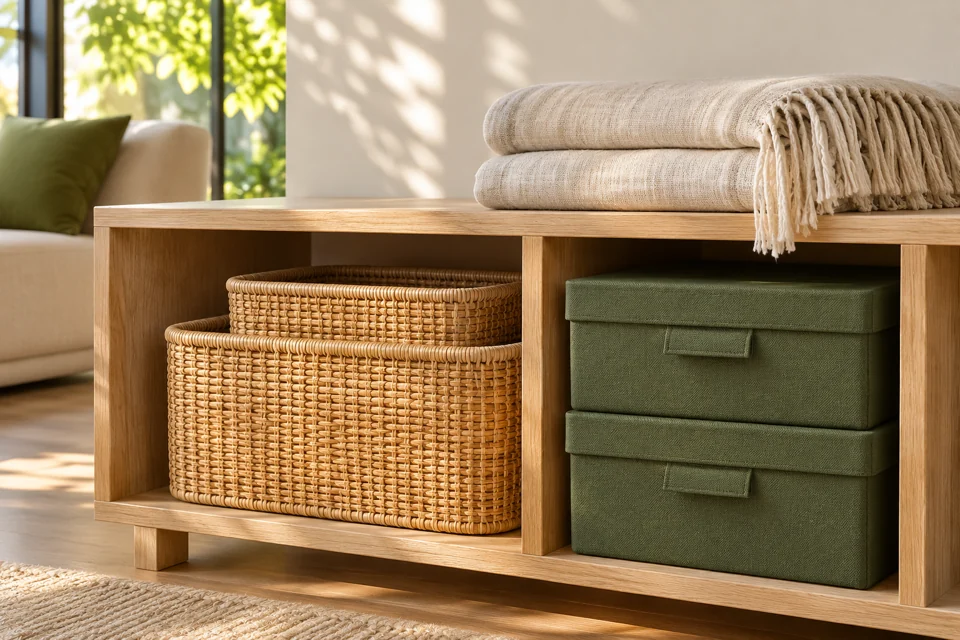
We consider dimensions, materials and how storage products fit into different rooms.
Home textiles
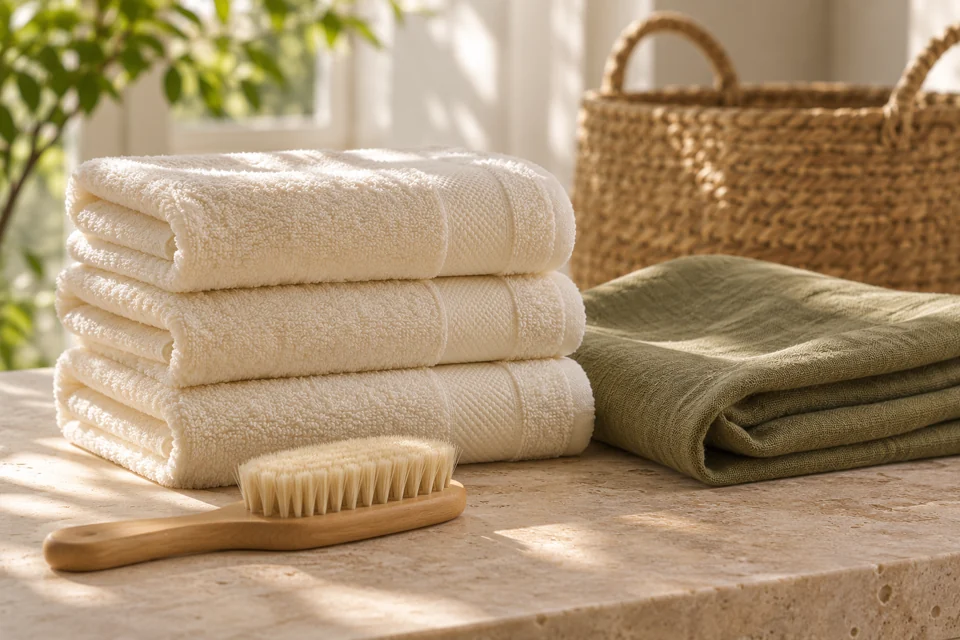
Texture, comfort and ease of care all shape what households look for in textiles.
Household goods categories
Household sourcing covers everything from food preparation and cleaning to storage and travel. These examples give buyers a starting point. Product specifications and availability depend on the requirements of each enquiry.
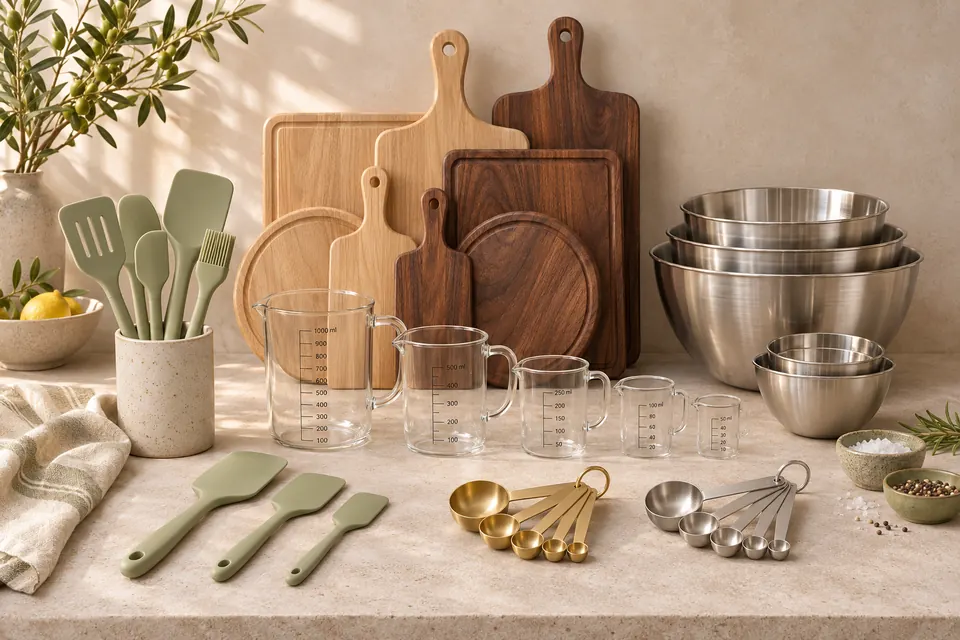
Kitchen preparation
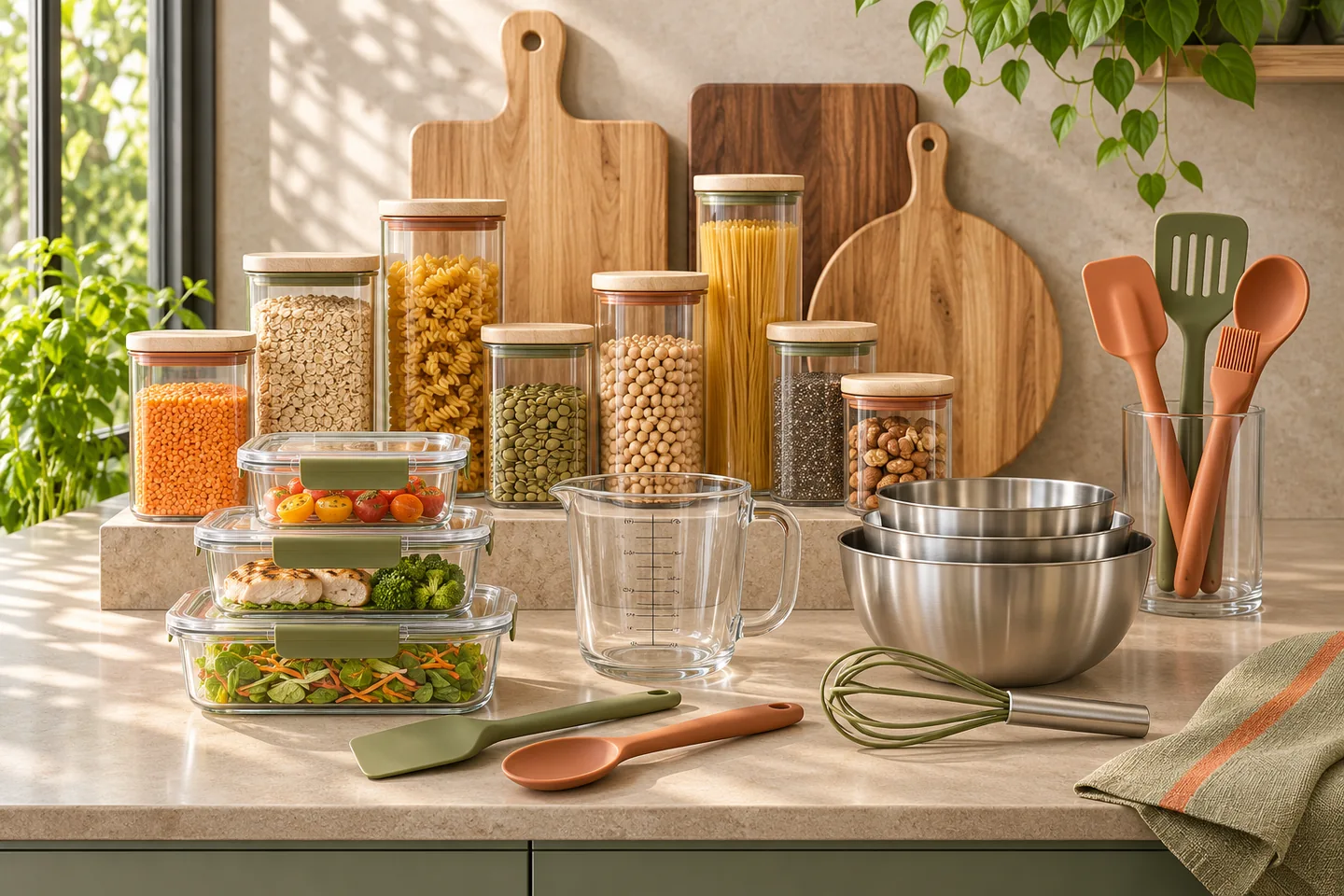
Chopping boards, measuring cups, mixing bowls and spatulas
Kitchen tools see repeated use, so assess how they feel in the hand and how easily they clean. Check whether a chopping board sits firmly, a measuring cup is legible at a glance and a mixing bowl pours without awkward handling. When putting together a set, compare how pieces nest and whether their capacities complement each other.
Dining and serving
Blue-and-white porcelain, multicolour underglaze cups and saucers, incised plates, serving trays and placemats
A table range can pair bowls, plates and cups in a consistent finish. For porcelain samples, compare how patterns and glaze colours carry across shapes, then check the smoothness of plate edges. Hold the cup by its handle and check the feel of its rim. For sets, check stacking height, piece-by-piece protection and how securely the carton holds the contents.
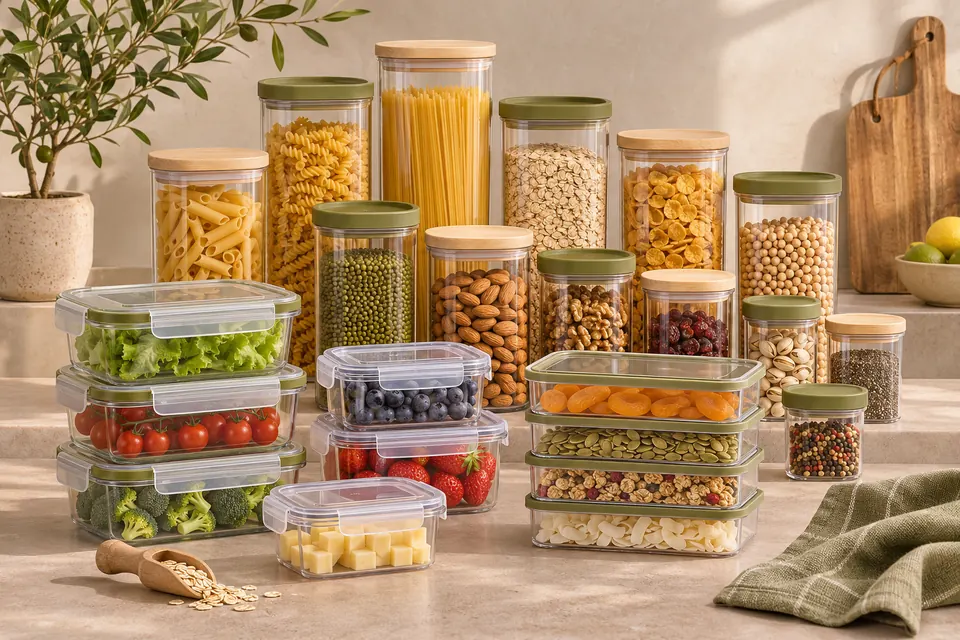
Food storage
Sealed jars, dry-food containers, fridge organisers and food labels
Storage needs vary with cupboard depth, refrigerator layout and serving habits. Start with capacity and shape, then check how easily lids open and whether the contents and remaining quantity are visible. Removable seals can make washing easier. When selecting multiple sizes, check whether they stack securely and make good use of smaller shelves.
Wardrobe and home organisation
Fabric boxes, drawer dividers, hanging organisers and compression bags
Organisation products need to work with the furniture people already own. Check the adjustable span of drawer dividers, how hanging organisers attach and how their shelves are supported. For fabric boxes, consider grip comfort and whether they fold flat. Compare cupboard depth and opening width to make sure filled containers stay easy to retrieve.
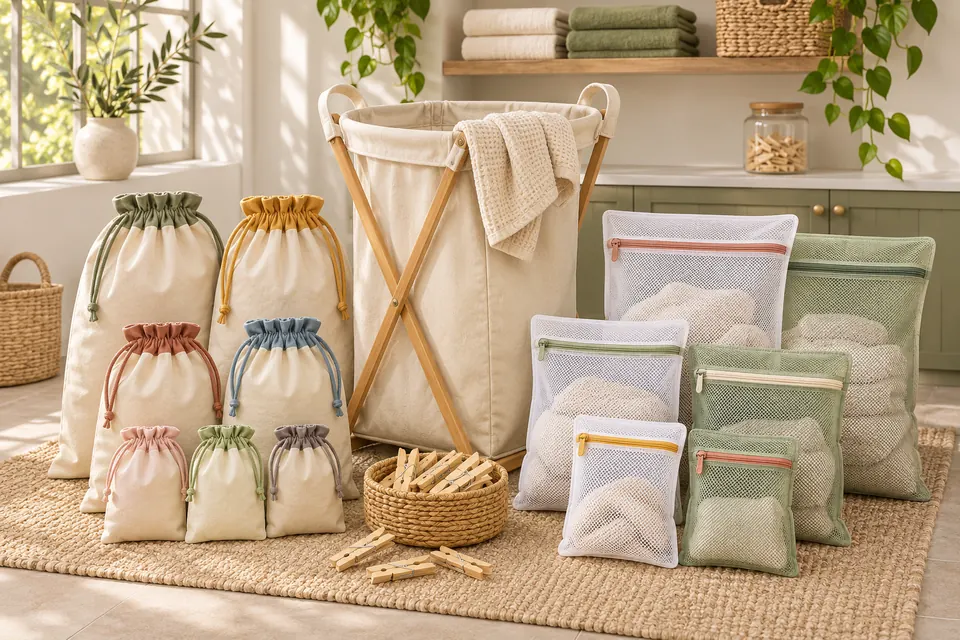
Laundry and drying
Mesh wash bags, folding hampers, clothes pegs and sorting bags
Laundry accessories should be easy to handle with wet hands and suit different drying spaces. Compare mesh size and zip protection on wash bags, and check where hamper handles sit and how compactly the hamper folds. For shared laundry rooms or stairs, consider how easily a full sorting bag can be carried and set down.
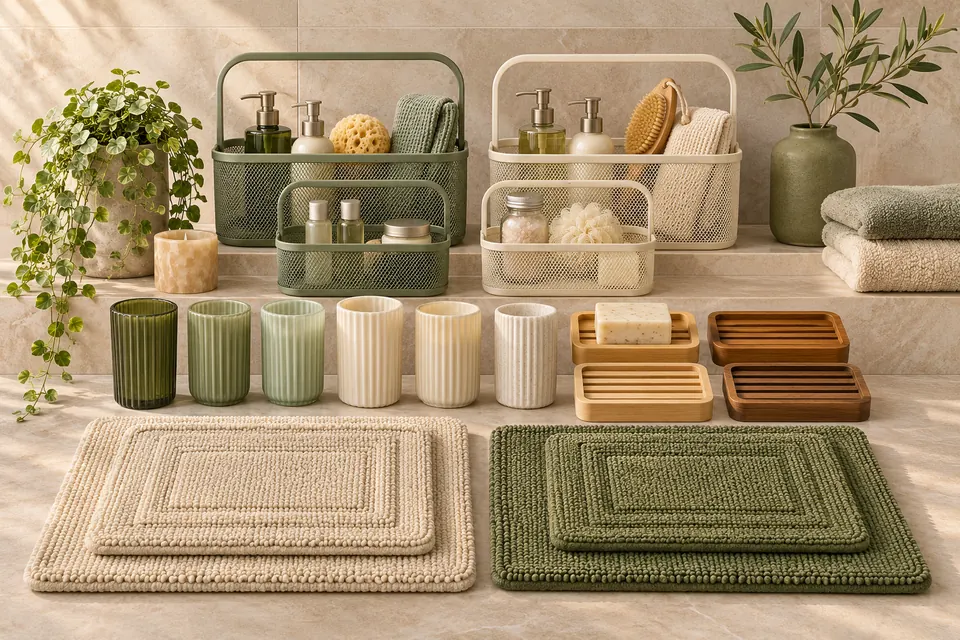
Bathroom essentials
Draining soap dishes, rinse cups, shower baskets and bath mats
Bathroom accessories are frequently exposed to moisture. Check whether water pools in a soap dish, whether air circulates beneath a basket and whether the inside corners of a rinse cup are easy to reach. For a bath mat, consider how it hangs to dry, whether the backing sits flat and how it clears the door.
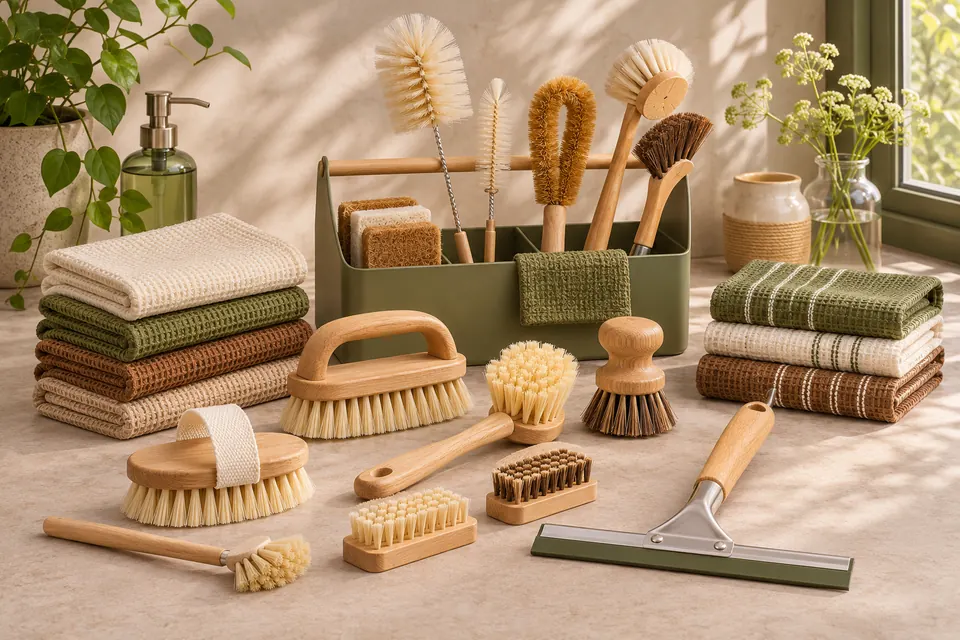
Home cleaning tools
Cleaning cloths, soft brushes, window squeegees and cleaning caddies
Match cleaning tools to surfaces such as glass, tile, furniture and worktops. When comparing brushes, assess bristle stiffness and whether the handle reaches into corners. For cloths, review size, wringing and wash instructions. Also check how each tool can be rinsed and left to dry between uses, especially where storage is limited.
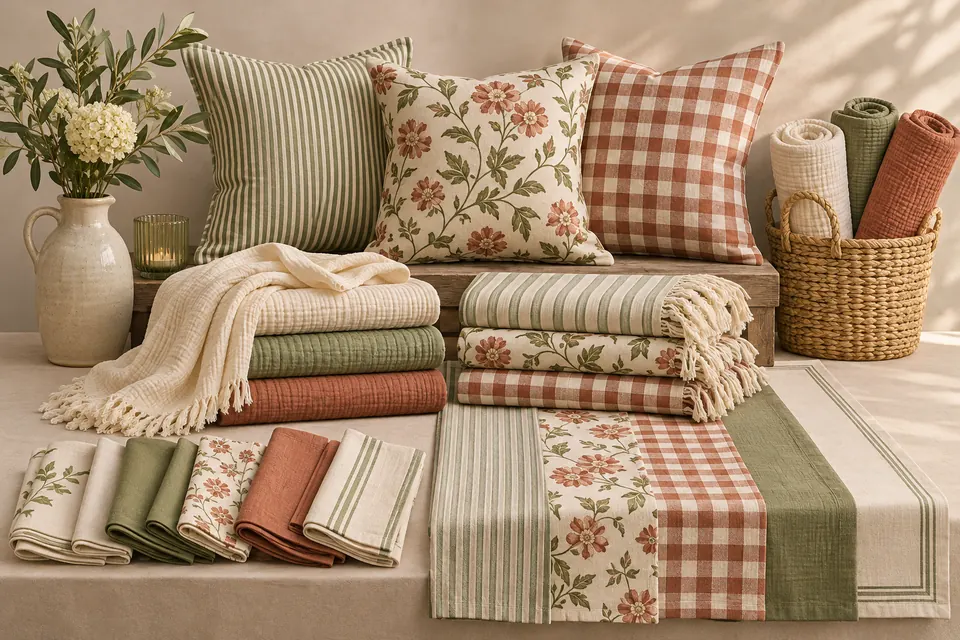
Home textiles
Cushion covers, table runners, cloth napkins and lightweight throws
A textile assortment can bring together related colours, textures and weaves while leaving room for seasonal changes. Review swatches in natural light, examine seams and closures, and check care instructions and dimensions after washing. When choosing cushion covers, compare the dimensions and shape of the insert with those of the cover to get the intended fit.
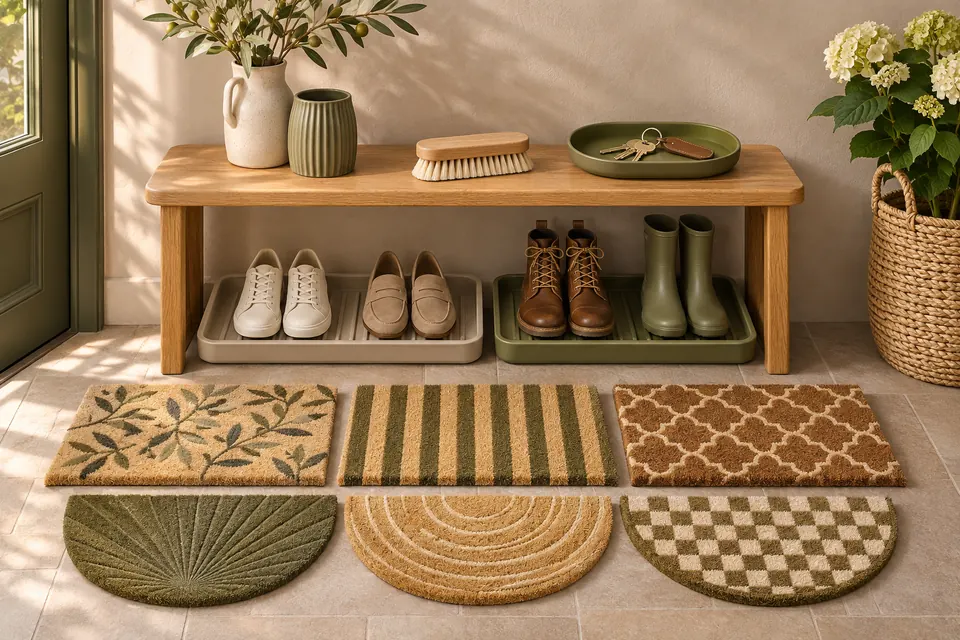
Entryway and shoe care
Shoe trays, shoe brushes, doormats and key dishes
Entryway items share space with the door and the route people take in and out. Check that a shoe tray can be lifted for rinsing and that a mat fits beneath the door as it swings. For a key dish, consider rim height, how the base rests on furniture and whether keys are easy to reach.
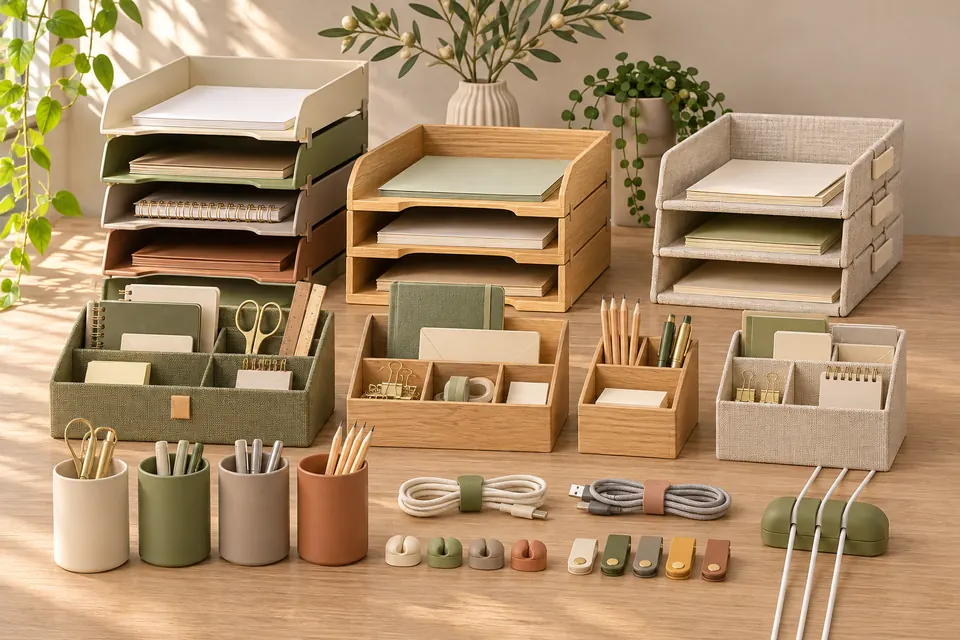
Desk and workspace
Document trays, desk organisers, cable clips and pen pots
Build a desk assortment around how often people reach for papers, stationery and device accessories. Check that document trays fit commonly used paper sizes and that the bottom tray stays accessible when stacked. For cable clips, compare supported cable diameters, suitable mounting surfaces and whether the clip lifts cleanly when removed.
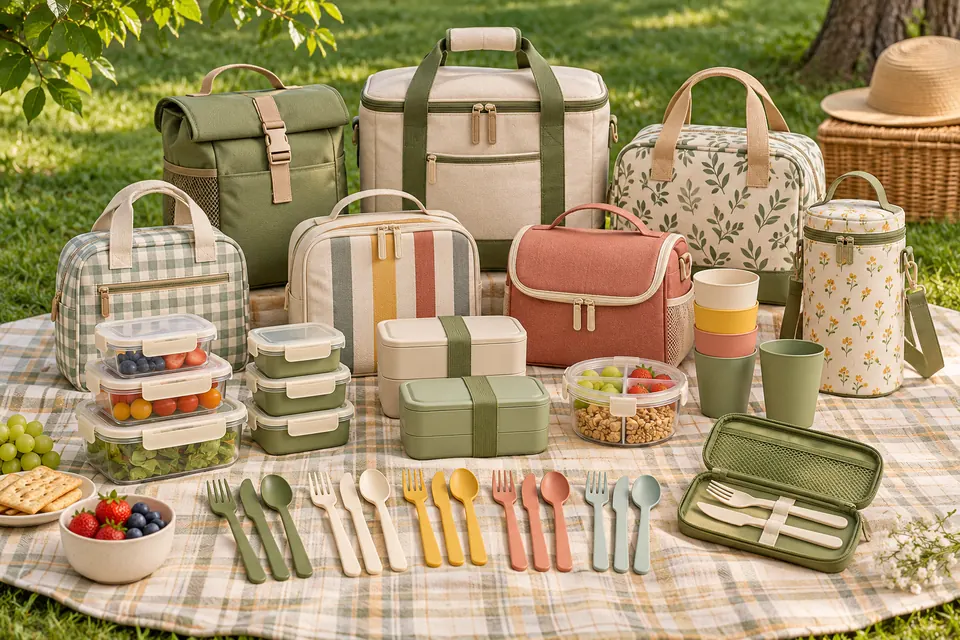
Outdoor meals and picnics
Picnic mats, portable cutlery, lightweight cups and insulated lunch bags
Picnic equipment should pack away neatly and be comfortable to carry. Check the folded length of a mat, whether a cutlery case opens easily and whether cups nest. For insulated bags, check how the handles feel, whether the lining wipes clean and whether the opening fits the food containers people tend to use.
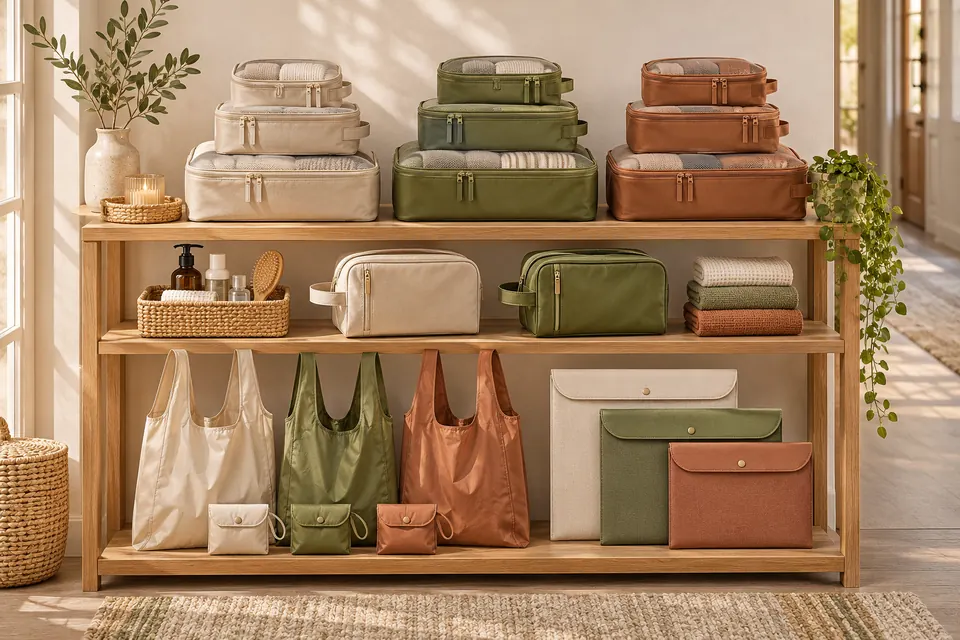
Commuting and travel organisation
Packing pouches, toiletry bags, foldaway shopping bags and document sleeves
Consider how people access things on a commute, shopping trip or short journey. Match pouch volume to clothing, shoes or device accessories, and assess how a toiletry bag opens, hangs and separates its contents. For a foldaway bag, consider how much space it takes up when packed and how its handles feel under load.
Markets
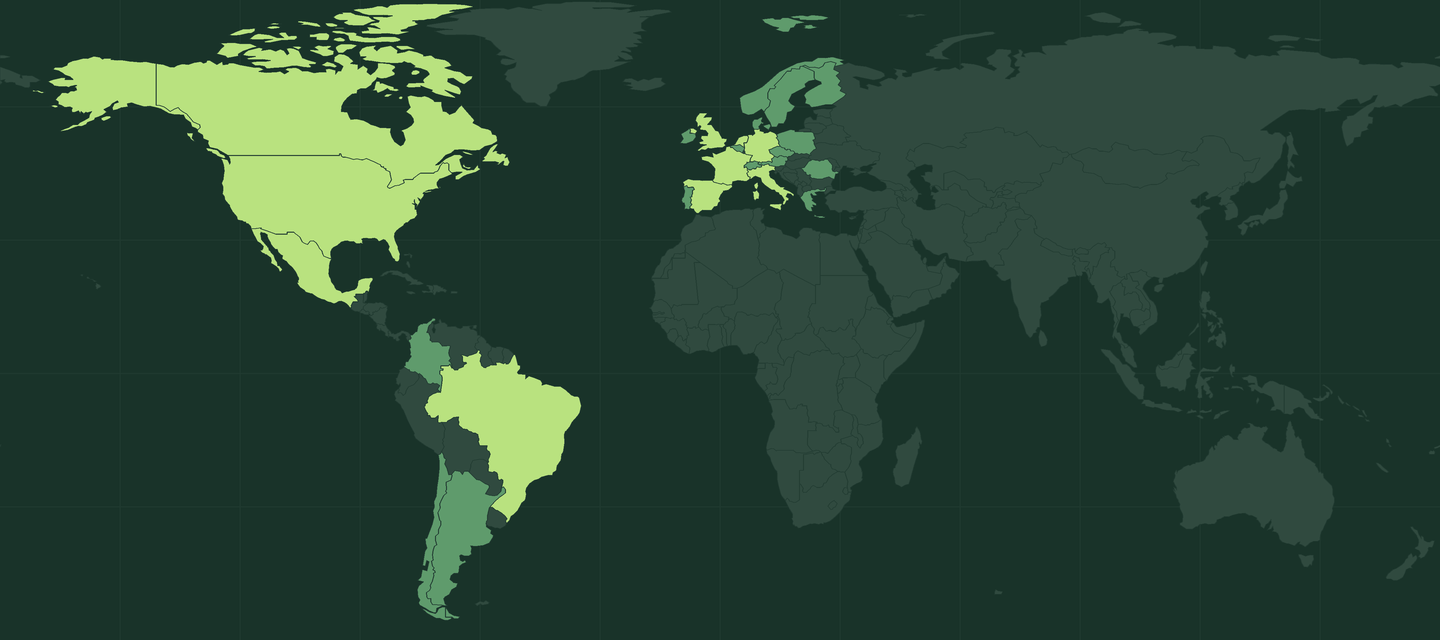
From China to Europe and the Americas.
Our supply chain in China and established network of customers serve markets in Europe and the Americas. We discuss local household needs, sizing and packaging with buyers to put together a suitable product mix for each market.
- Gross merchandise value (GMV)
- Approx. US$10 million
 China
Europe
We discuss styles, dimensions, packaging and label languages with buyers to suit how their products are displayed and sold.
- Core export markets Germany
- Core export markets United Kingdom
- Core export markets France
- Core export markets Italy
- Core export markets Spain
- Core export markets Netherlands
- Key export markets Switzerland
- Key export markets Poland
- Key export markets Belgium
- Key export markets Sweden
- Key export markets Ireland
- Key export markets Austria
- Key export markets Norway
- Key export markets Denmark
- Key export markets Romania
- Key export markets Czechia
- Key export markets Finland
- Key export markets Portugal
- Key export markets Greece
Americas
We work with buyers on ranges and bundles for everyday household use and discuss packaging for store shelves or online fulfilment.
- Core export markets United States
- Core export markets Canada
- Core export markets Brazil
- Core export markets Mexico
- Key export markets Argentina
- Key export markets Colombia
- Key export markets Chile
Partnerships
Good Goods, Better Life.
We welcome opportunities to work with partners and bring more quality goods from China into homes around the world.

How to work with us
Discuss sourcing needs
Share your target markets, product categories and expected order volumes to define what to source.
Review samples and packaging
Discuss specifications, materials, samples, labels and cartons to agree how the goods should be presented.
Confirm pricing and the order
Record the final specifications, quantities, quotation, expected lead time and delivery arrangements in the order.
Coordinate the order and delivery
Track the order and coordinate packaging, shipping and delivery based on what we agree together.
Plan your sourcing around your sales channel
Importers, shop retailers and online sellers can have different requirements for the same product. Sharing your market, sales channel and intended use early helps establish priorities for specifications, packaging and delivery.
Importers and distributors
Use your target markets and customer groups to distinguish year-round essentials from seasonal lines. In your inquiry, outline estimated quantities by category, how you would like cartons packed and your expected reorder frequency. For a shipment covering several products, share the destination, any carton restrictions and whether you can receive the order in stages.
Retailers and private-label teams
Share shelf photos, a target retail price and brand guidelines early, including any fixed shelving dimensions or hanging fixtures. For branded packaging, specify logo use, barcode placement and who approves the pack copy. When reviewing samples, assess the item itself alongside the pack dimensions and how clearly the information reads on the shelf.
E-commerce and online retail teams
Tell us where you plan to list the products, how your warehouse receives goods and how individual parcels will ship. Those details guide discussions about the product and pack dimensions, weights, bundle quantities and label positions. If you need product images or listing information, include the intended uses and file formats in your inquiry.
Household goods sourcing FAQ
These questions cover decisions buyers often make during sampling, ordering and shipment planning. The details depend on your product category, destination market and agreed order terms.
What should I include in my first inquiry?
Include your destination market, sales channel, the intended use of the goods, estimated quantities and your desired arrival date. Share reference photos, dimensions or packaging examples if you have them, and flag which details are essential and which can be discussed. For several categories, list the expected quantities and priorities for each one.
How should I review samples and custom requirements?
Share dimensions, materials, colours or a reference item, and explain whether you need to review appearance, use or packaging. For printing, special dimensions or sets, discuss artwork versions, sampling costs and timelines separately. Before ordering, keep a common record of the approved sample or specification and highlight any details to check during inspection.
Do minimum order quantities apply to the whole order or to individual styles?
List each style, colour, size and packaging version separately, since minimum quantities may apply to individual combinations. If you want a smaller trial order, share the quantities you have in mind. You can then discuss using standard specifications, choosing fewer colours or consolidating packaging versions, with feasibility confirmed in the quotation.
Can I source several categories of household goods together?
Send a list by category with expected quantities, pack dimensions and the latest shipping date for each item. Before grouping them for delivery, compare preparation times, packing compatibility and destination requirements. When a product has a tight deadline, mark which items must arrive together and which could travel in a separate shipment.
How should I share packaging, barcode and labelling requirements?
Prepare separate requirements for retail packs and outer cartons, with materials, dimensions, languages, barcode positions and required markings. If your market or platform provides templates, share the latest files and identify who approves them. Review item identifiers, carton details and label placement together so the order refers to the same approved version.
How do we agree quality and inspection requirements before ordering?
Set out measurable tolerances, appearance, intended function and packaging condition in the specification, alongside any sampling or inspection requirements. Use photos and measurements to define acceptable variation where there is room for interpretation. Agree when checks take place, how findings are recorded and how both sides will review and address any discrepancies.
How should I work back from my delivery deadline?
Start with the desired arrival date, destination and any fixed milestone, such as a retail launch, promotion or warehouse appointment. Work back through shipping, packing, order preparation, specification approval and sampling. If your delivery window is tight, identify the latest acceptable date and discuss whether some items could ship separately.
Which costs and delivery terms should I check in a quotation?
Check the currency, unit of sale, quantity tiers, whether the unit price includes packaging and how long the quotation is valid. Ask for samples, artwork changes or transport to be itemised if they are priced separately. Confirm the delivery point and which party arranges transport so you can compare quotations on the same terms.